Follow Me On Social Media!

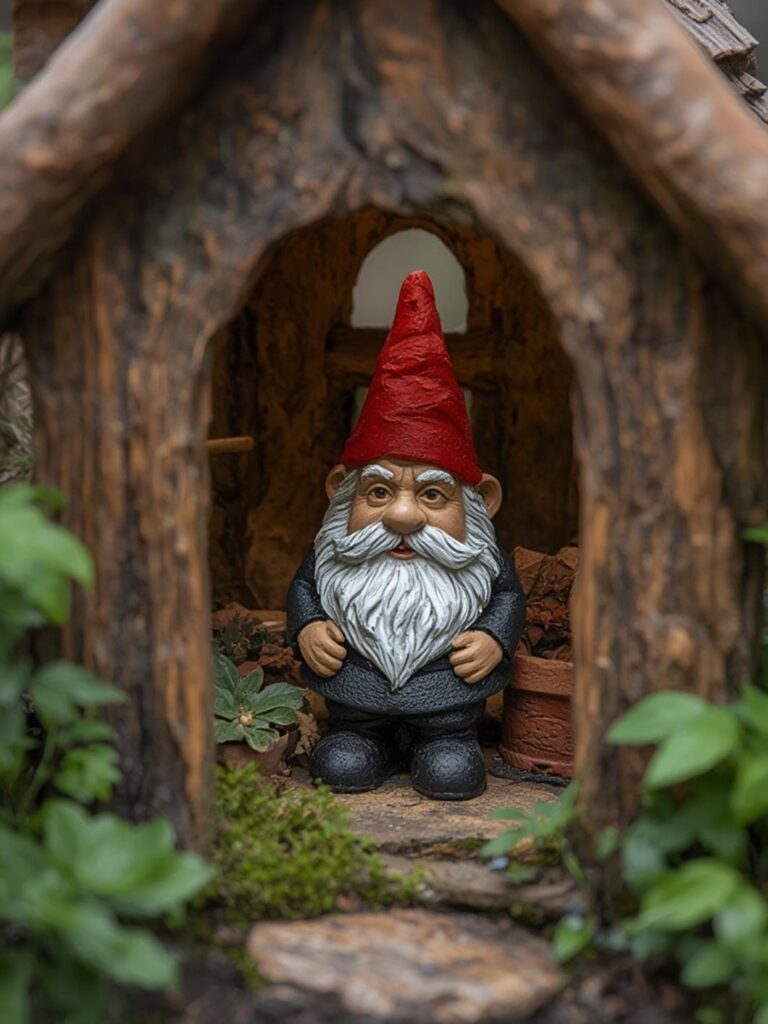
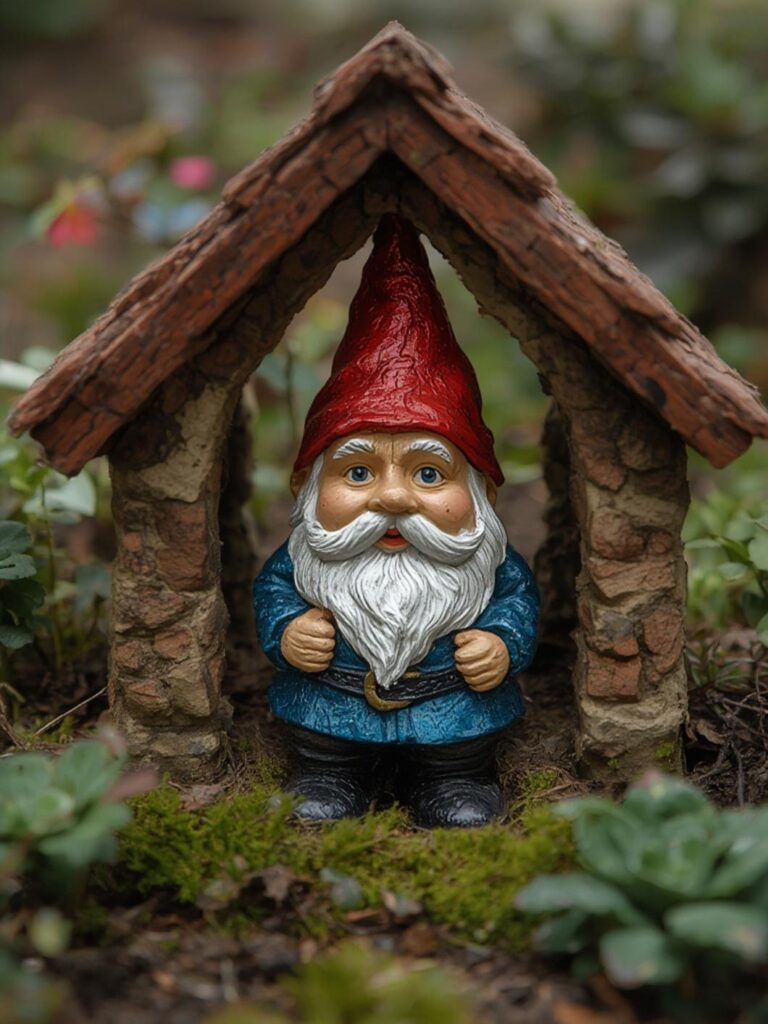
Best Way to Grow Your Collection of 7 Garden Gnomes

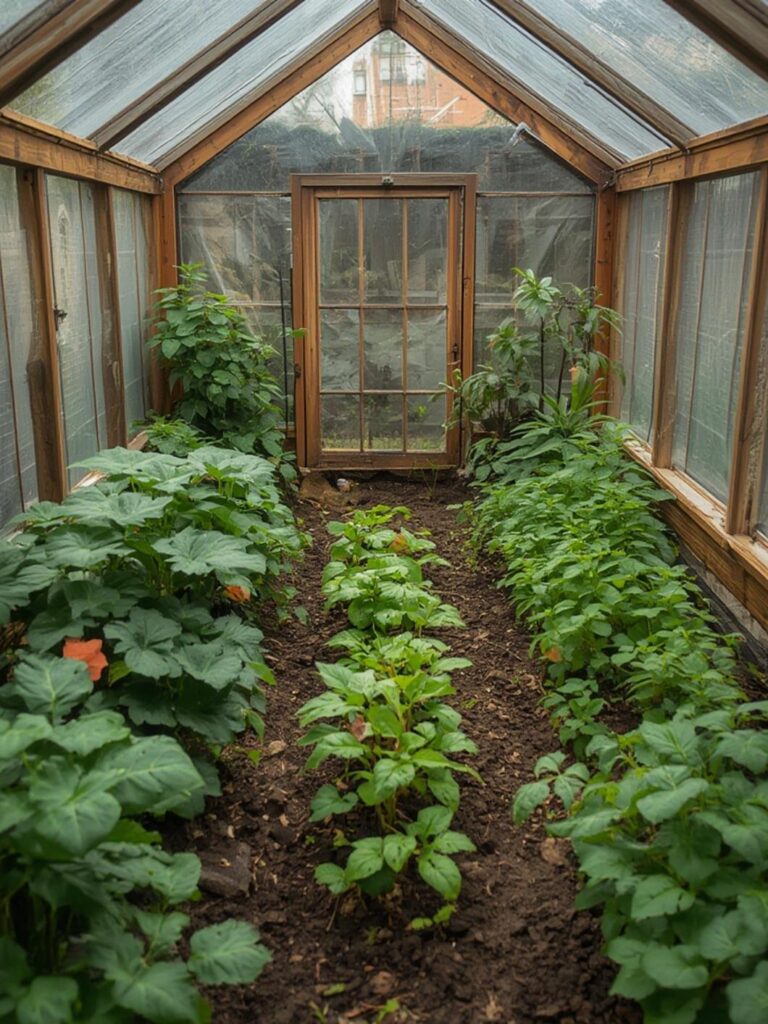
How to Start Your Home Garden: A Complete Guide to Growing Fresh Produce
Table of Contents
Have you ever considered the delights and practical benefits of growing your own garden at home? Not only does home gardening offer a sustainable way to obtain fresh produce, but it also beautifies your living space and enhances your connection to nature. Whether you’re a budding green thumb or an experienced gardener looking to expand your plant repertoire, this guide will walk you through every step needed to cultivate a thriving garden. Let’s dive into why you should consider growing your own garden and how to maintain it effectively using this garden maintenance guide.
Materials & Supplies
To embark on your gardening journey, you’ll need the following essentials:
– Seeds or starter plants: Choose based on what you wish to grow, considering your climate and space.
– High-quality soil: Good drainage and nutrient content are key for healthy plants.
– Gardening tools: Include trowels, spades, rakes, and pruning shears.
– Pots or planters: Necessary if you’re planning container gardening. Ensure they have adequate drainage.
– Fertilizers: Opt for organic options to provide nutrients without harming the environment.
– Watering can or system: Regular watering is crucial, though the amount varies by plant.
Optional items include mulch, to help retain soil moisture, and plant supports like stakes or trellises for climbing plants.
Timing / Growing Schedule
Preparation time varies, but typically, you should start your seeds indoors about 6-8 weeks before the last expected frost. Plants like tomatoes and peppers need a warm start, whereas lettuce and carrots can handle cooler beginnings. The growth period will depend on what you are growing—a typical tomato plant takes about 60-80 days from transplant to harvest. Planning your gardening schedule with these timelines ensures you enjoy fresh produce seasonally.
Step-by-Step Instructions
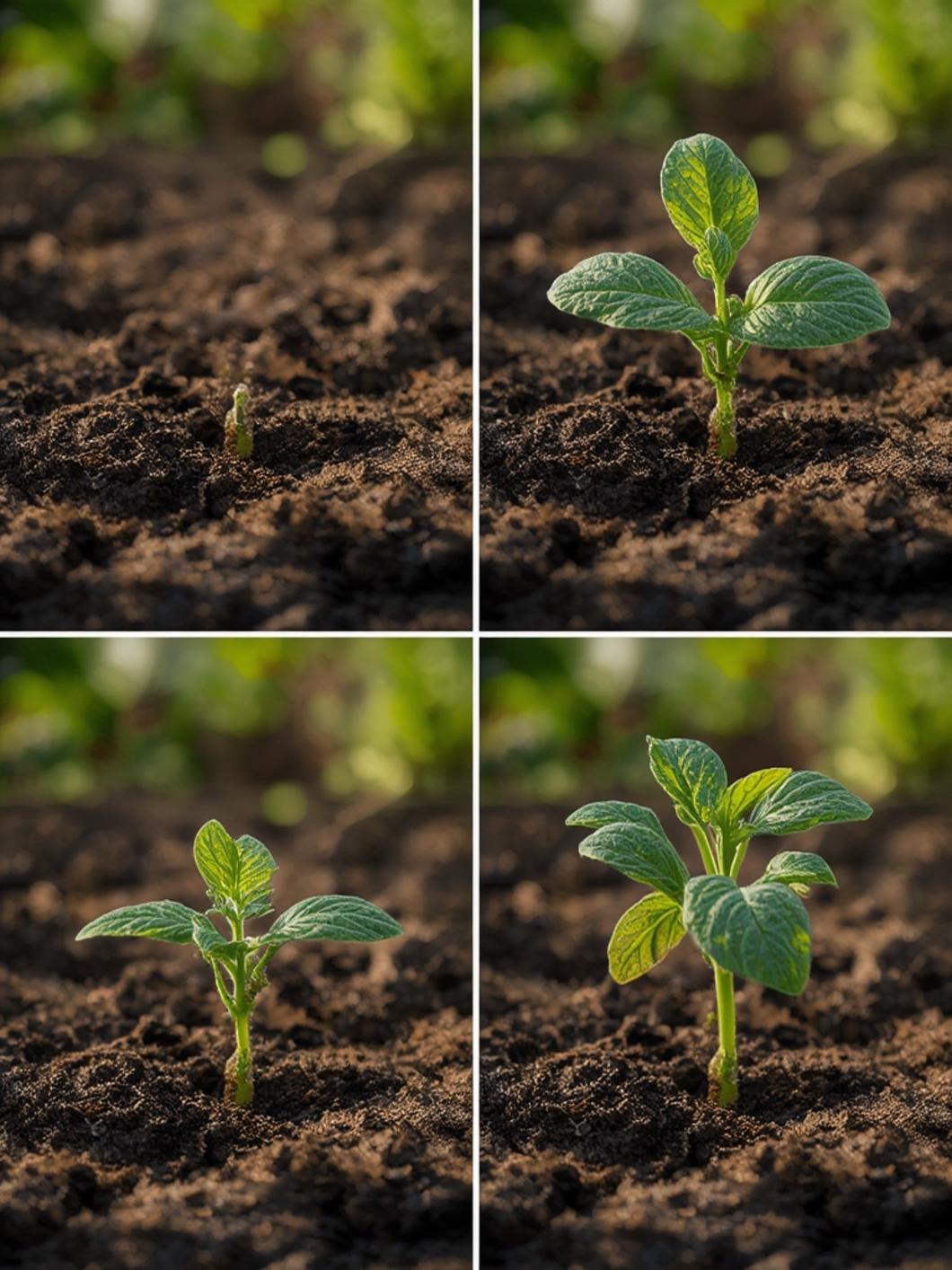
1. Preparation: Clear the selected area, ensuring it receives adequate sunlight for the growing your own garden.
2. Soil Testing and Enhancement: Test the pH level of your soil and amend it with compost or other organic material to ensure fertility.
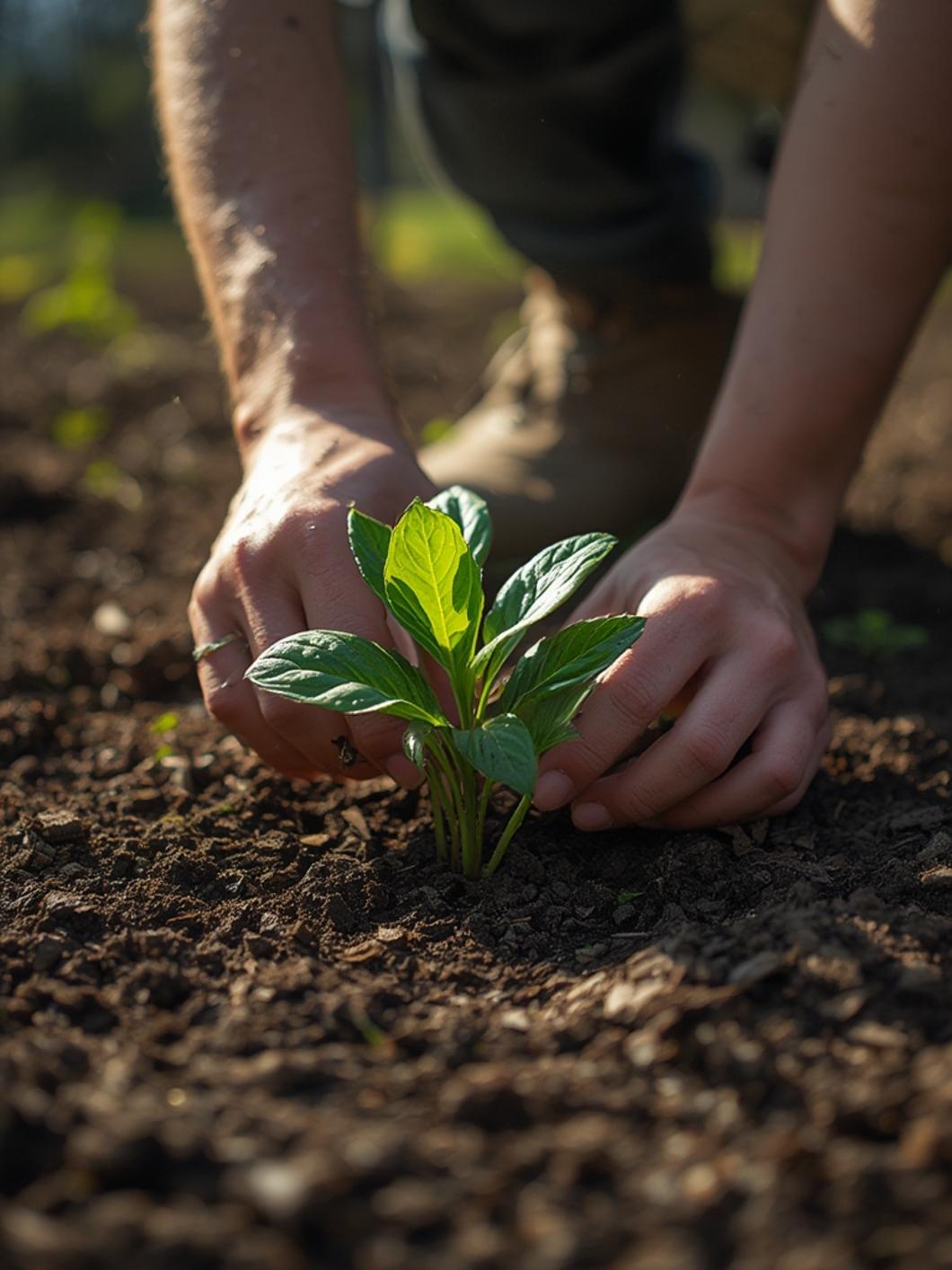
3. Planting: Sow seeds or transplant seedlings, spacing them according to their needs. Deep-rooted vegetables require more space to flourish.
4. Watering: Maintain consistent moisture levels, adjusting according to weather conditions—more on hot, sunny days, and less during rainy periods.
5. Maintenance: Regularly check for pests and diseases. Use natural pest control methods to minimize chemical use, adhering closely to the garden maintenance guide.
Nutritional Benefits / Advantages
Growing a garden is beneficial not just for the environment but also for your health. Homegrown produce is typically richer in nutrients than store-bought alternatives that may have traveled long distances and lost quality. For example, fresh tomatoes picked at their peak contain more vitamins C and K, essential for bone health and blood clotting.
Tips, Alternative Methods, or Gardening Advice
Expand your gardening practice by considering:
– Container Gardening: Ideal for limited spaces such as balconies or patios.
– Raised Beds: Improve drainage and reduce back strain.
– Indoor Growing: Use grow lights to cultivate herbs and small vegetables inside.
– Organic Practices: Emphasize natural growth without synthetic chemicals.
Remember to adjust these methods based on your climate, space, and the specific needs of your plants.
Common Mistakes to Avoid
– Overwatering: Leads to root rot. Ensure soil is moist but not waterlogged.
– Neglecting pests: Regular inspections can catch infestations before they become severe.
– Planting out of season: This can lead to poor yields and plant stress.
Storage / Maintenance Tips
To preserve your garden’s health and your harvest:
– Storage: Keep harvested produce in a cool, dry place to extend freshness.
– Regular Pruning: Helps to improve yields and reduces disease exposure.
– Seasonal Maintenance: Adapt your watering and fertilization practices as temperatures change.
Conclusion
Starting and growing your own garden can significantly enhance your quality of life by providing fresh produce and a rewarding hobby. Follow this garden maintenance guide to avoid common pitfalls and ensure your garden thrives through all seasons. Share your gardening experiences and tips with fellow enthusiasts, and don’t hesitate to expand your green space as your confidence grows.
FAQs
1. What is the best time to plant a garden?
– Align planting times with the local climate and season-specific plants for best results.
2. How often should I water my garden?
– Adjust based on soil moisture, weather conditions, and plant needs. Generally, aim for 1 inch of water per week.
3. What are the best plants for beginner gardeners?
– Start with low-maintenance varieties like radishes, lettuce, and snap peas.
4. How can I keep pests away naturally?
– Introduce beneficial insects, use neem oil, or plant companion species that repel pests.
Happy Gardening!