Follow Me On Social Media!

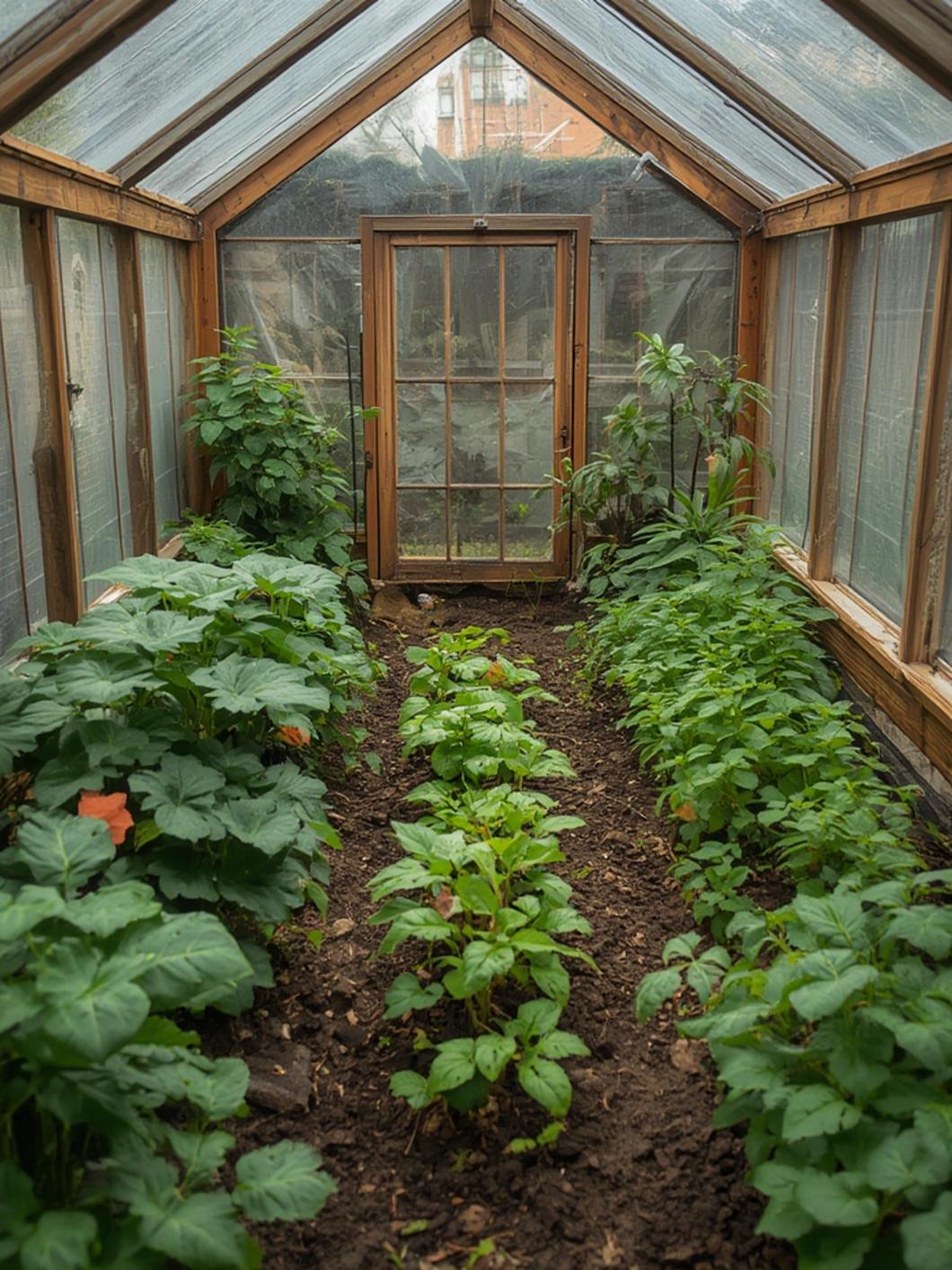
Proven Way to Grow a Lush Oasis: Grow a Garden Wiki

How Often Do You Dream of a Greener Home? Grow Your Own Garden Today!
Have you ever considered the joy and practicality of growing your own lush garden at home? It’s not just an activity; it’s a transformative lifestyle change that brings a slice of nature into your daily routine. Whether it’s about adding a splash of greenery with easy-to-grow herbs or stepping up to a full vegetable garden, the benefits are endless. Moreover, a grow a garden wiki can serve as your comprehensive guide in this green endeavor. Alongside practical steps, following a garden maintenance guide ensures your garden not only grows but thrives.
Materials & Supplies
To start your garden journey, you’ll need a few basic materials:
– Seeds: Choose from a variety of vegetables, fruits, or herbs.
– Soil: Well-draining, nutrient-rich soil is crucial for healthy plants.
– Pots or Raised Beds: Depending on your space, you could use containers or set up raised beds.
– Fertilizers: Organic options like compost or manure enrich the soil without chemicals.
– Gardening Tools: Trowels, spades, and pruning shears will make planting and maintenance easier.
Consider optional items like mulch to retain moisture and deter weeds, or a watering can for precise irrigation.
Timing / Growing Schedule
Prepare to begin your planting at the onset of a suitable growing season—spring for most plants, though some greens can start in mild winter. Typical growth periods can range from a few weeks for leafy greens to several months for roots and tubers. Visualize the garden through its stages from sprouting seeds to flourishing plants, for a successful harvest!
Step-by-Step Instructions
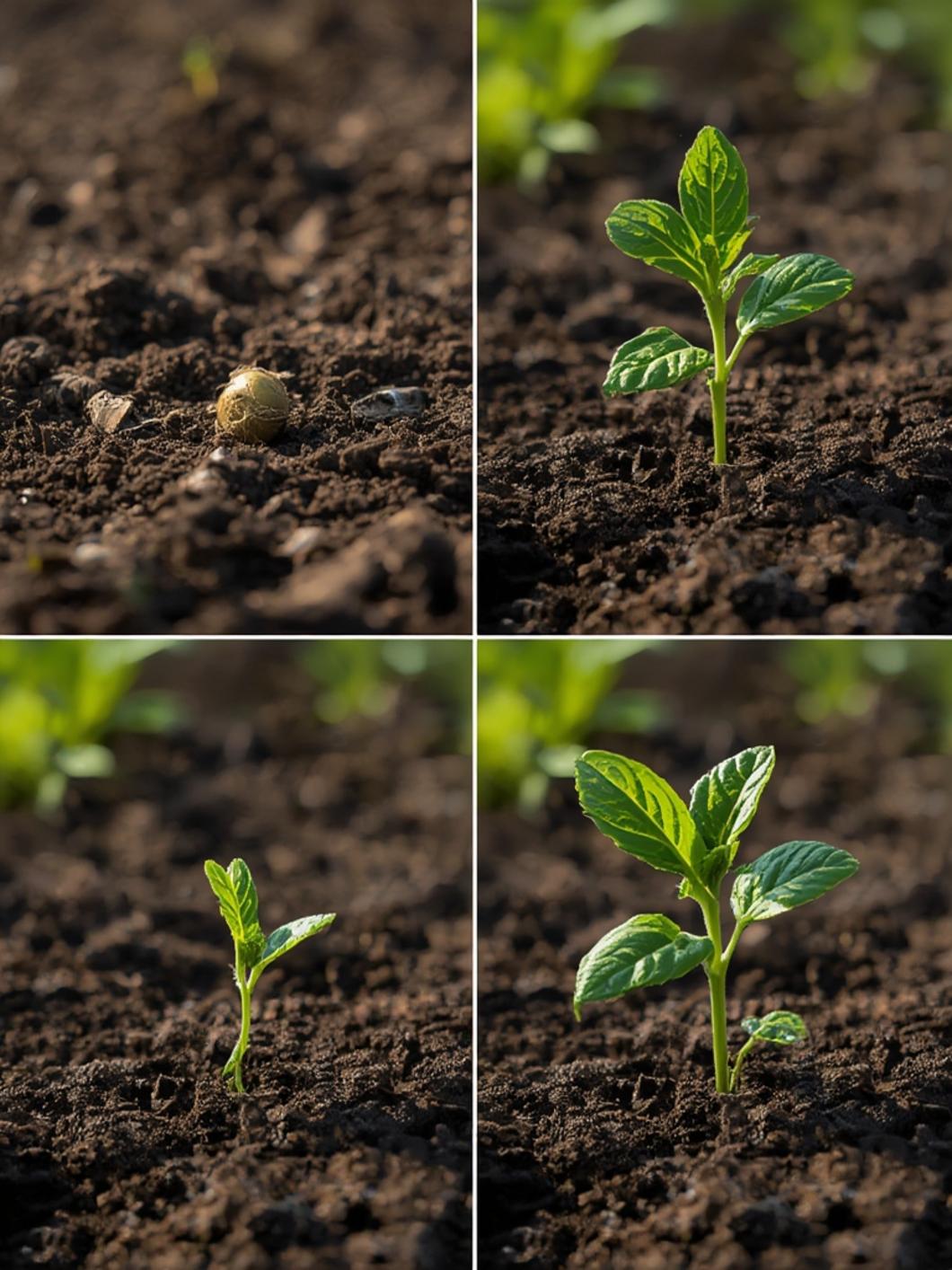
1. Preparation: Using your grow a garden wiki, determine the best layout for your plant types and available space.
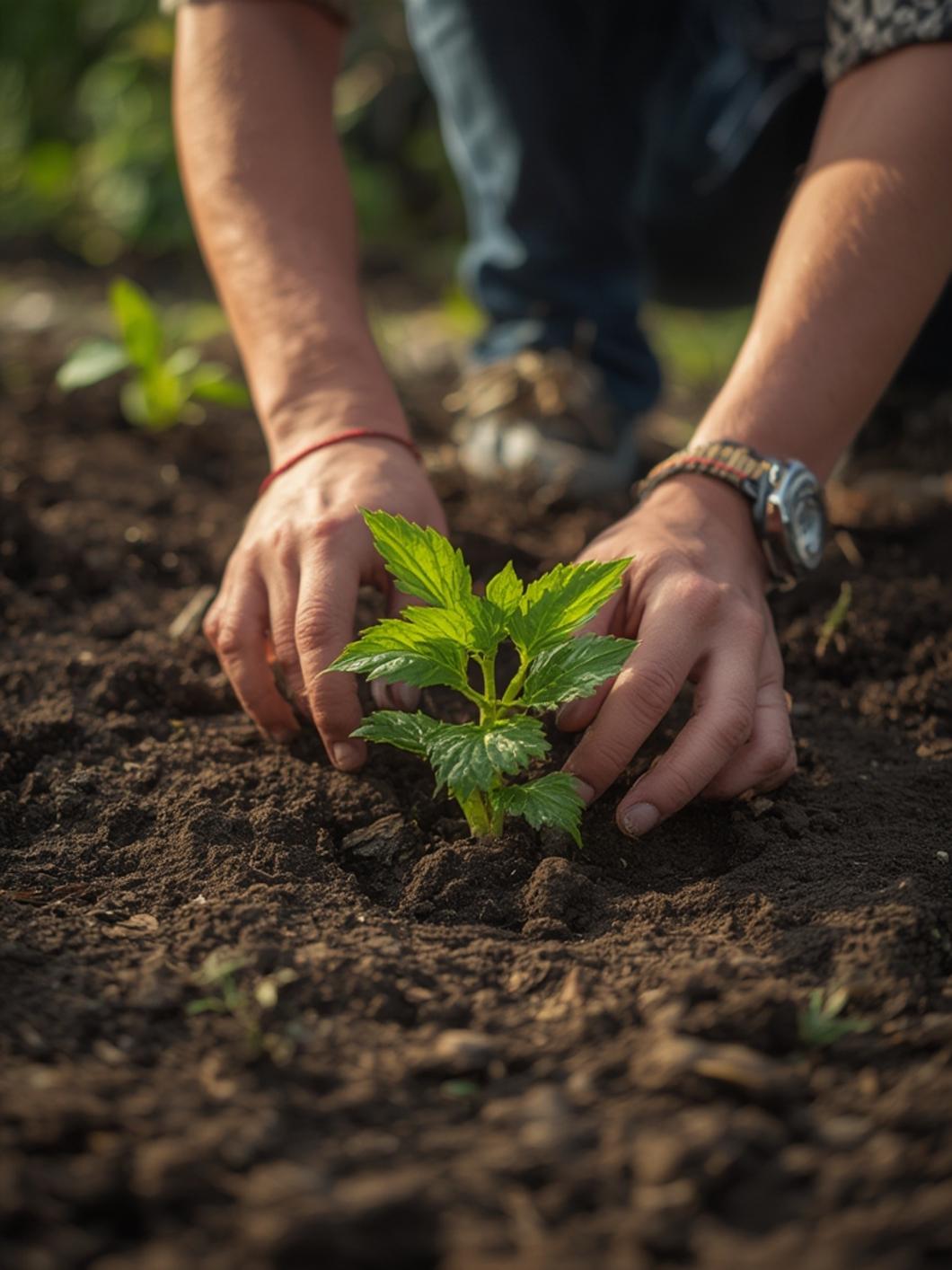
2. Planting: Sow seeds according to package directions or utilize young plants from a nursery.
3. Watering: Establish a regular watering schedule – morning tends to be best.
4. Monitoring Growth: Keep an eye out for pests and diseases; early detection means easier management.
5. Harvesting: Enjoy the fruits of your labor but remember to harvest at peak maturity for the best flavor.
Each step, aided by tips from your garden maintenance guide, will increase the likelihood of a successful, thriving garden.
Nutritional Benefits / Advantages
Growing your garden offers remarkable health perks. Fresh produce is richer in nutrients than store-bought counterparts, lacking preservatives, and entirely under your control regarding pesticide use. Plus, gardening itself is a wonderful form of exercise and stress relief.
Tips, Alternative Methods, or Gardening Advice
Embrace methods like container gardening if you’re limited on space or trying indoor gardens under grow lights. Adjust practices to suit local climate conditions and consider seasonal planting for year-round yields. Each technique, from vertical gardening to hydroponics, can be adapted to personal preferences and resources.
Common Mistakes to Avoid
Overwatering is as harmful as neglect, leading to root rot and fungal issues. Ignoring the signs of pests and disease can quickly lead to out-of-control problems. Ensure your plants have enough space to grow to avoid competition for light and nutrients.
Storage / Maintenance Tips
Post-harvest, proper storage is key to maximize freshness and longevity. Most vegetables keep well in cool, dark places, some requiring refrigeration. Ongoing care through the garden maintenance guide involves regular checks for pest invasions and diseases, proper pruning, and off-season preparations.
Conclusion
Through the guidance of a robust grow a garden wiki, you can wield the tools needed to establish and nurture a vibrant garden. Remember, every plant thrives with proper care, consistent maintenance from a reliable garden maintenance guide, and a dose of passion. Why not start today and experience the multitude of benefits for yourself? Share your gardening journey and inspire others!
FAQs
Q: How long does it take to see the first signs of growth?
A: Most seeds germinate within 1-2 weeks, depending on the species and growing conditions.
Q: What are the best plants for beginner gardeners?
A: Herbs, lettuce, radishes, and tomatoes are great for starters thanks to their resilience and minimal care needs.
Q: How often should I fertilize my garden?
A: Generally, every 4-6 weeks during the growing season, though it varies by plant type and soil quality.
Q: Can I reuse potting soil for new plants?
A: Yes, but it’s recommended to refresh it with new compost or fertilizer to ensure nutrient levels are adequate.